

Aerial Facility Maintenance & Servicing
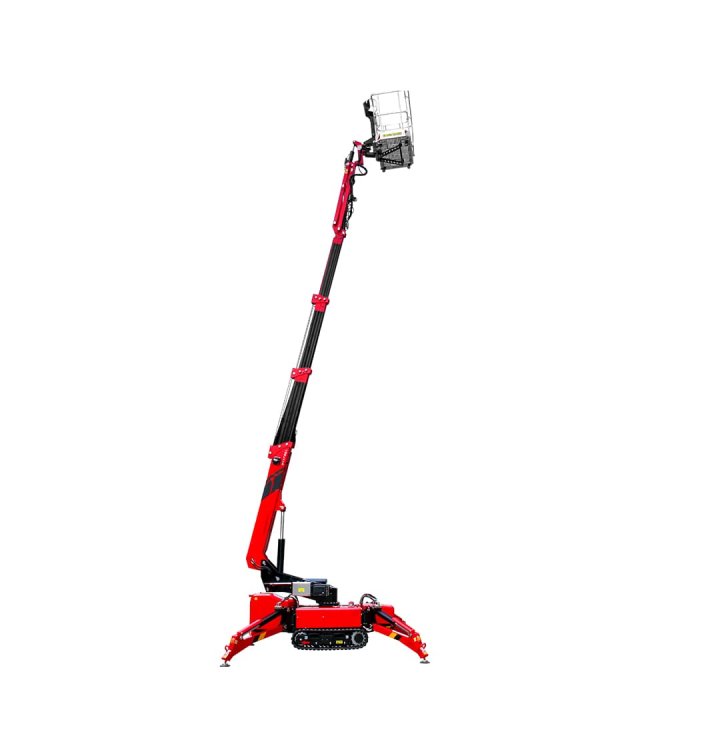
The GSC30D gallery identifies aerial facility servicing. Confirm the work position, access path and setup conditions for the actual task.
Facility tasks range from overhead inspection to lighting or exterior upkeep, often around corridors, finishes, planted areas or parked equipment. Compare tracked and towable lift options against work height, reach, route, ground conditions and setup space.
Model selection
Choose by work position and access route. For suspended materials, review a crane load chart and lifting plan separately from platform work.



Field applications
The original galleries show maintenance tasks but do not list project cities for these images.
The GSC30D gallery identifies aerial facility servicing. Confirm the work position, access path and setup conditions for the actual task.
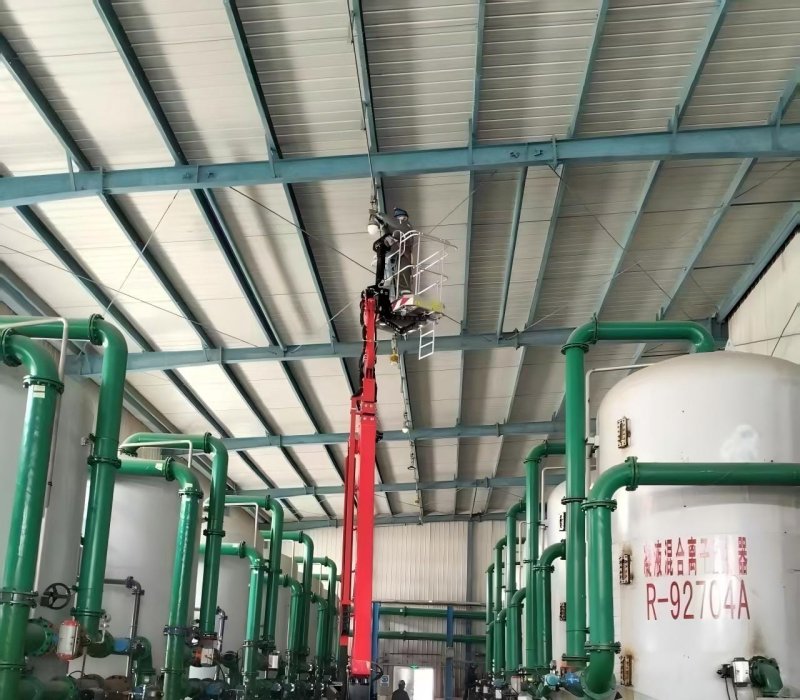
The GCT43 gallery describes overhead maintenance near tanks. Review corridor access, floor conditions, work height and setup position.
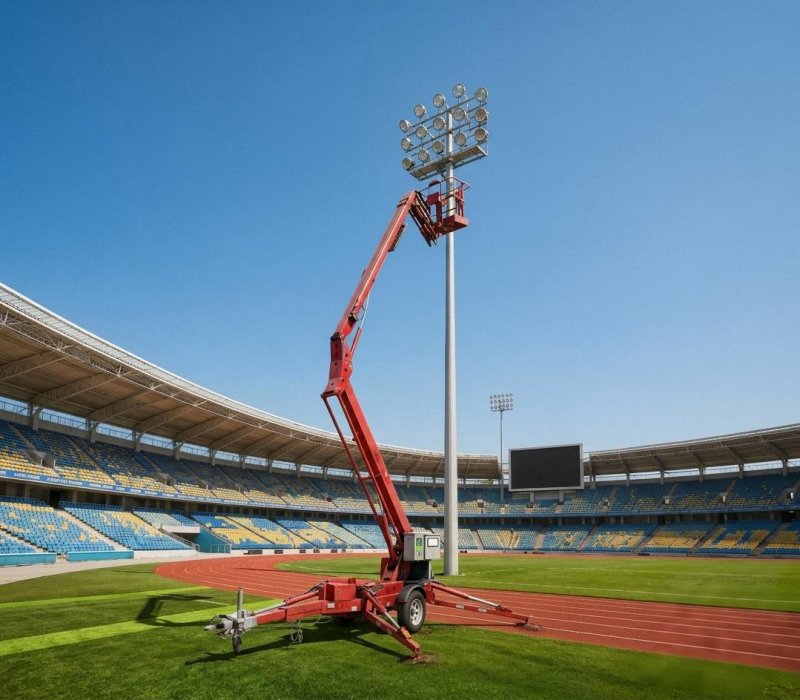
The GTB60 page describes stadium lighting and building maintenance applications. Check the work height, horizontal reach, approach and available setup space.
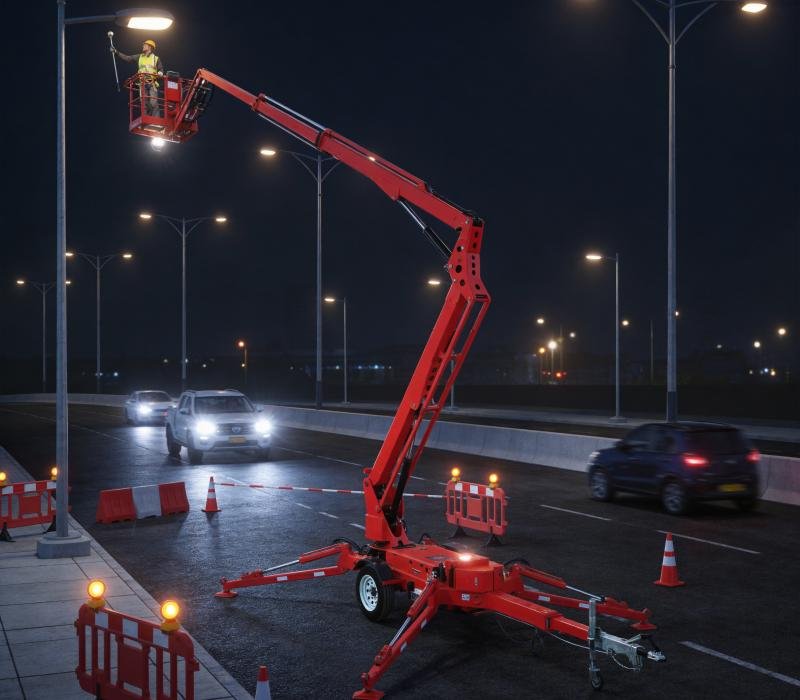
The GTB45 page groups this work with municipal and urban utility applications. Confirm the route, work position and any site-specific access requirements.
Before the site visit
Record the narrowest clear opening, route turns, overhead clearance, floor or ground conditions and the place available to set up.
Use the doorway width measuring guide to record the clear opening before comparing equipment.
Planning questions
Match the equipment type to the task, work position and site conditions.
Compare the route, ground conditions, work envelope, setup area and transport plan for the actual facility.
Review access dimensions, turns, floor capacity, overhead obstructions, power needs and the facility’s operating limits.
Check the equipment dimensions against the clear route, turns, thresholds, overhead clearance and floor conditions. Measure each constrained point.
Identify the work position and horizontal distance from the planned setup point. Share both with the task height so the appropriate equipment information can be reviewed.
For people working at height, compare the lift’s work envelope and platform capacity. For suspended materials, review the crane load chart and lifting plan.
Project details
Share the task, route and site information available. GLT LIFTS can review which model details need to be checked.