


Need a Reliable Mini Crawler Crane for
Your Next Lifting Project?
Explore GLT LIFTS mini crawler cranes designed for narrow-access lifting, professional contractors and demanding job sites.


Fall brings cooler temperatures, drier air and more comfortable working conditions for many lifting projects. However, seasonal changes can also create new risks for spider crane operations.
Morning dew can make surfaces slippery, stronger wind gusts can affect suspended loads, and larger day-to-night temperature changes can influence equipment conditions. For contractors operating a spider crane or mini crawler crane in fall, proper inspection, stable ground setup and disciplined operating procedures are essential.
This guide covers the key spider crane safety, inspection and maintenance practices contractors should follow during fall lifting operations.
Fall weather can change quickly. A job site that appears stable in the morning may become affected by wind, moisture or changing ground conditions later in the day.
The most common seasonal risks include:
Stronger or unpredictable wind gusts
Morning dew and slippery surfaces
Soft or unstable ground after rain
Large temperature changes between day and night
Increased operator fatigue during busy construction schedules
Higher fire risks in dry working environments
These conditions do not necessarily prevent spider crane operations, but they require operators to pay closer attention to weather, ground conditions, equipment condition and load stability.
Fall weather can bring stronger and more unpredictable wind gusts, which can affect suspended loads during spider crane operations. A sudden gust may cause the load to swing, rotate or move away from the planned lifting path, increasing the risk of contact with surrounding structures or loss of load control.
Before and during lifting operations, operators should:
Check wind conditions before starting work and continue monitoring them during lifting.
Follow the spider crane manufacturer's specified wind-speed limits.
Stop lifting when wind conditions exceed the equipment's permitted operating limits.
Never exceed the crane's rated lifting capacity.
Avoid side pulling, dragging or shock loading.
Keep suspended loads stable and avoid sudden crane movements.
Maintain a clear exclusion zone around the lifting area.
Stop the operation if wind makes the load difficult to control.
Wind should also be considered together with the crane's load chart and rated lifting capacity. The allowable load can change depending on working radius, boom position and outrigger configuration. Operators should always check the manufacturer's load chart before lifting and confirm that the planned load is within the permitted capacity for the specific configuration.
If the spider crane is equipped with a Load Moment Indicator (LMI) or another rated-capacity safety system, operators should also pay attention to warning signals during operation. Safety systems can provide important operating information, but they do not replace proper lifting planning, ground assessment and compliance with the manufacturer's operating instructions.
For more information about safe lifting practices, load charts and LMI systems, see our related spider crane resources


A pre-operation inspection should be completed before every lifting shift. Seasonal maintenance should not replace the daily inspection required by the equipment manufacturer.
Inspect hydraulic hoses, fittings and cylinders for:
Oil leaks
Cracks or abrasion
Loose fittings
Damaged seals
Unusual hydraulic pressure or movement
A small hydraulic leak can become a more serious equipment problem if it is ignored.
Check the boom, pins, welds, hooks and other load-bearing components for visible damage, excessive wear or abnormal deformation.
Do not operate the crane if a critical structural component appears damaged.
Mini crawler crane rely on properly deployed outriggers to establish a stable working platform.
Before lifting:
Inspect the ground for soft soil, standing water or hidden voids.
Position the crane on firm, stable ground.
Fully deploy the outriggers according to the manufacturer's instructions.
Use suitable outrigger pads when required by the site conditions.
Confirm that the machine is properly leveled before lifting.
Fall rain and water runoff can weaken areas of soil that previously appeared stable.
Still have questions about mini crawler crane operation, maintenance or troubleshooting?
Troubleshooting | FAQ | Technical Support
Explore GLT LIFTS mini crawler cranes designed for narrow-access lifting, professional contractors and demanding job sites.
Ground stability is especially important for compact and narrow-access spider cranes because the crane's stability depends heavily on correct outrigger deployment and ground support.
Before positioning the machine, check for:
Soft soil
Mud
Wet grass
Drainage channels
Recently excavated areas
Underground voids or utility work
Sloped or uneven surfaces
Do not assume that a surface is stable simply because it looks dry.
If ground conditions are questionable, stop and evaluate the site before deploying the crane.
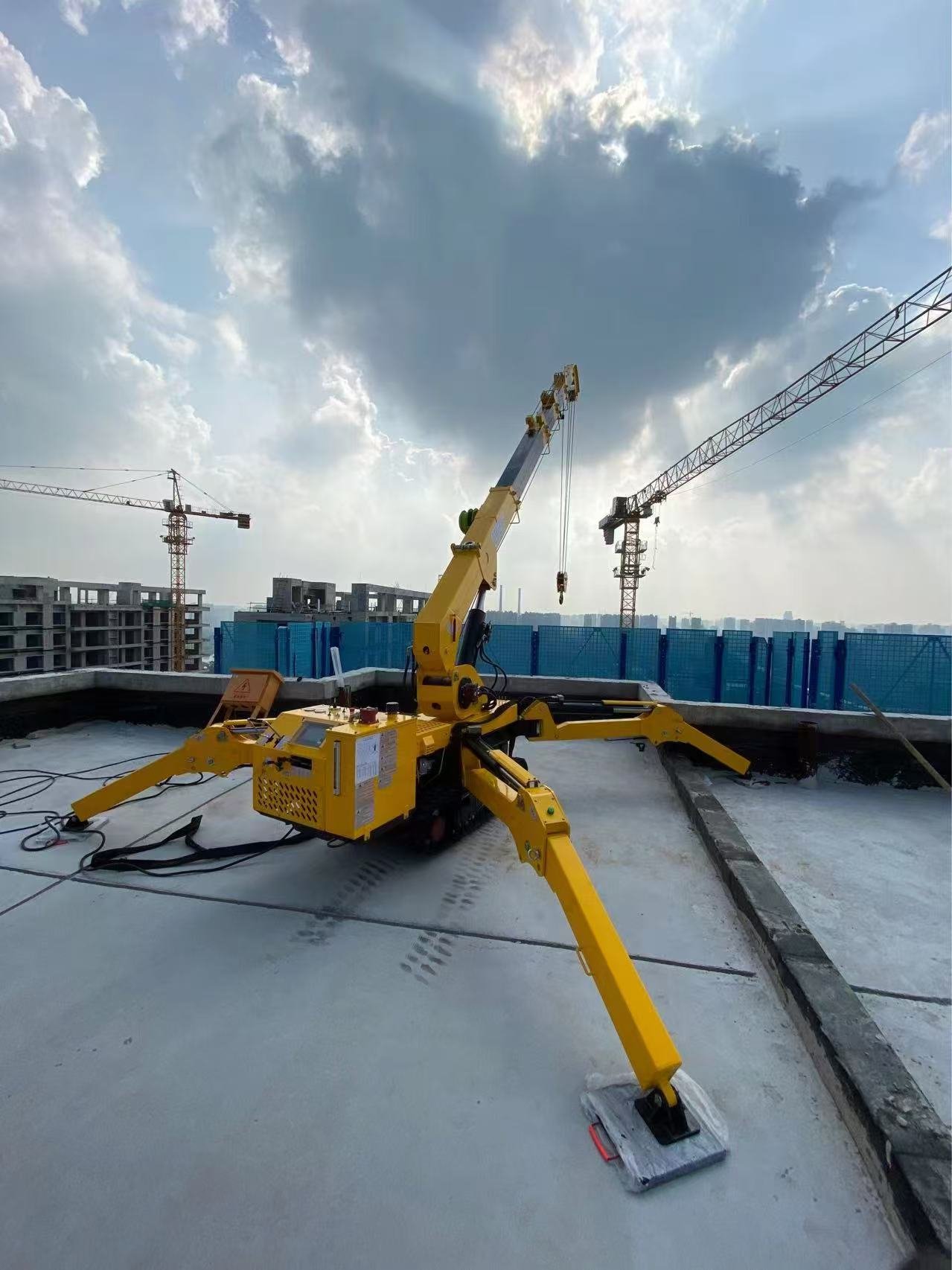
Mini crawler crane on a rooftop with outriggers and support pads deployed for stable lifting.
Lower temperatures can affect hydraulic fluids, batteries and electrical components.
Before starting work:
Check hydraulic oil levels.
Inspect hydraulic hoses and fittings.
For dual-power models (Diesel/ Gasoline/Lithium Battery + AC electric motor), inspect both the battery, engine air intake, and AC electric connections for damage or seasonal moisture build-up.
Confirm that control systems operate normally.
Allow the equipment to reach the appropriate operating condition before heavy lifting.
If abnormal noise, movement, warning signals or hydraulic behavior occurs, stop the machine and identify the cause before continuing work.

Hydraulic system and dual power engine inspection on a mini crawler crane
Equipment condition alone cannot guarantee safe lifting. Operator behavior and job-site procedures are equally important.
During operation:
Use one designated signal person when required.
Stop the operation if lifting instructions become unclear.
Never allow personnel to stand beneath a suspended load.
Wear appropriate personal protective equipment.
Never exceed the rated load capacity.
Avoid sudden movements and shock loading.
Keep the lifting area clear of unnecessary personnel.
Maintain constant attention during lifting.
Never leave the crane unattended while a load is suspended.
For remote-controlled spider cranes, the operator should maintain a clear view of the machine, load and surrounding work area whenever possible.
At the end of each shift, park the spider crane in a designated and secure location.
Before leaving the machine:
Lower and secure the boom according to the manufacturer's instructions.
Return the controls to the proper neutral or shutdown position.
Turn off the power.
Inspect the machine for new leaks or visible damage.
Clean dirt, mud and debris from critical components.
Protect the equipment from excessive moisture.
Follow the manufacturer's storage and cold-weather maintenance recommendations.
Regular cleaning and inspection make it easier to identify developing problems before the next lifting operation.
Before operating a spider crane in fall, confirm the following:
| 1 | Weather and wind conditions Conditions are within operating limits. | 6 | Safety systems and controls All safety systems and controls are functioning correctly. |
| 2 | Ground conditions Ground is firm and suitable for crane setup. | 7 | Rated lifting capacity The planned load is within the crane’s rated capacity. |
| 3 | Outriggers Outriggers are correctly positioned and supported. | 8 | Lifting area The area is clear of unnecessary personnel. |
| 4 | Hydraulic hoses and fittings No signs of leakage, abrasion or damage are present. | 9 | Lifting signals One person is responsible for coordinating signals when required. |
| 5 | Boom, pins and hook Boom, pins, hook and structural components have been inspected. | 10 | Operator readiness The operator is alert and focused on the lifting operation. |
Important: If any critical item cannot be confirmed, stop the operation and investigate the issue before lifting. | |||
It may be possible only when wind conditions remain within the specific crane model’s operating limits. The allowable limit can vary by model, boom configuration, load, working radius and manufacturer instructions. Operators should check the applicable manual and stop the lift if the load becomes unstable or difficult to control.
Operators must inspect for soft soil, mud, rain runoff channels, wet leaves, and underground voids. Autumn rainfall and changing temperatures can weaken soil bearing capacity. Always ensure outriggers are fully deployed with suitable outrigger pads on firm, level ground before extending the boom.
A pre-operation safety check must be performed daily before every shift. In addition to daily pre-shift inspections, compact cranes require detailed monthly checks and structured seasonal maintenance (such as autumn pre-winter servicing) to inspect hydraulic systems, wire ropes, and structural welds.
Prioritize inspecting hydraulic hoses and seals, outrigger locking mechanisms, track condition, and power connections. Fluctuating fall temperatures can cause rubber seal contraction and moisture buildup in electrical boxes. For dual-power models (Diesel + AC electric), inspect both engine intakes and electrical power cables.
Temperature drops can increase hydraulic fluid viscosity and cause fitting contraction, leading to sluggish machine response or oil leaks. To prevent damage, allow the equipment to idle and warm up the hydraulic fluid before performing heavy lifting operations, and frequently inspect hose fittings for pressure drops.
Not Sure Which Mini Crawler Crane Fits Your Job? | 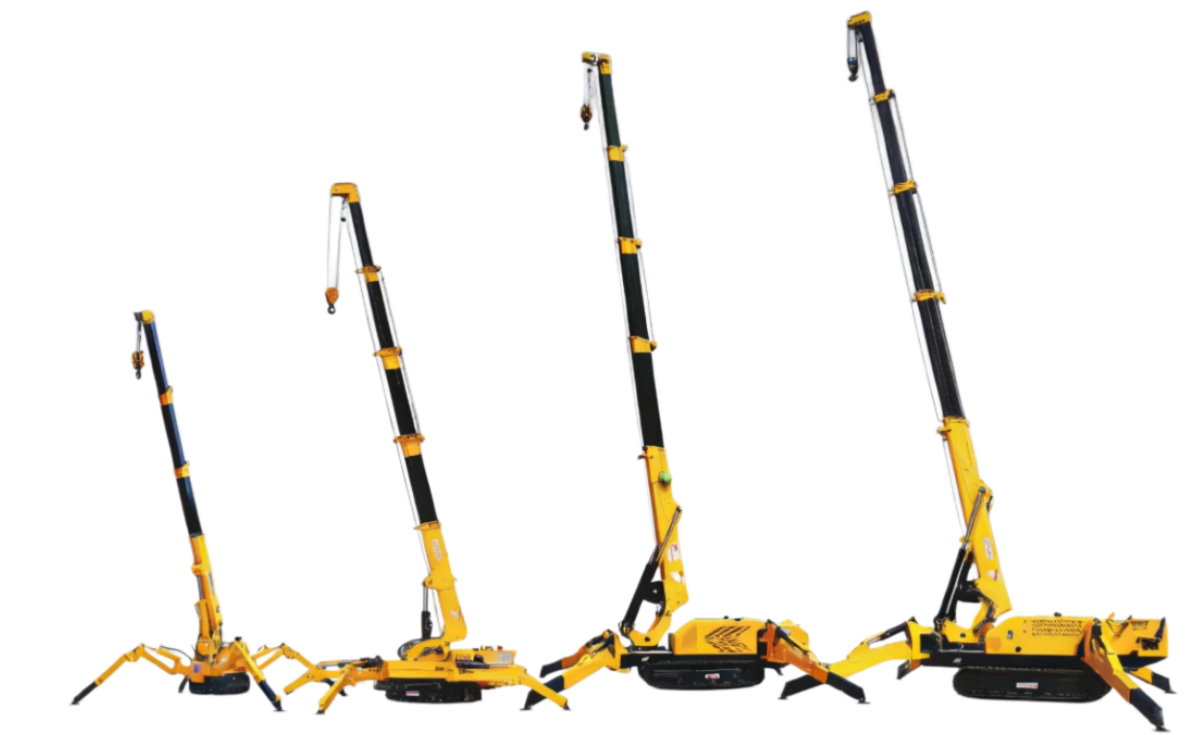 |
Proper operation, inspection and maintenance are essential to mini crawler crane safety in every season.
For contractors working in confined spaces, residential properties, construction sites and other restricted-access locations, choosing the right mini crawler crane can also improve job-site efficiency and lifting control.
GLT LIFTS provides compact crawler crane designed for professional lifting applications, with different lifting capacities, power configurations and control options available for different job-site requirements.

